The Penguin Story
In 1935, if you wanted to read a good book, you needed either a lot of money or a library card. Cheap paperbacks were available, but their poor production generally tended to mirror the quality between the covers.
Penguin paperbacks were the brainchild of Allen Lane, then a director of The Bodley Head. After a weekend visiting Agatha Christie in Devon, he found himself on a platform at Exeter station searching its bookstall for something to read on his journey back to London, but discovered only popular magazines and reprints of Victorian novels.
Appalled by the selection on offer, Lane decided that good quality contemporary fiction should be made available at an attractive price and sold not just in traditional bookshops, but also in railway stations, tobacconists and chain stores.
He also wanted a 'dignified but flippant' symbol for his new business. His secretary suggested a Penguin and another employee was sent to London Zoo to make some sketches. Seventy years later Penguin is still one of the most recognizable brands in the world.
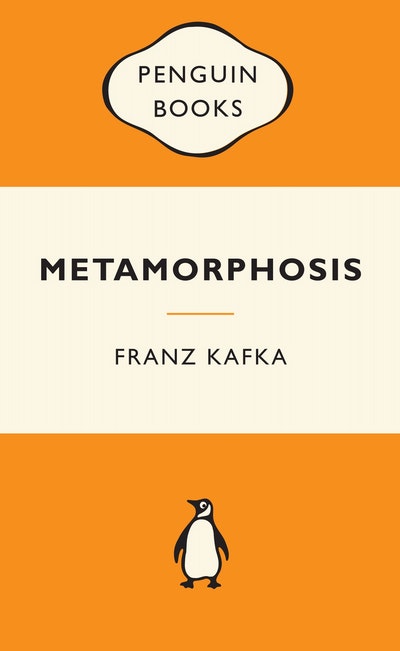
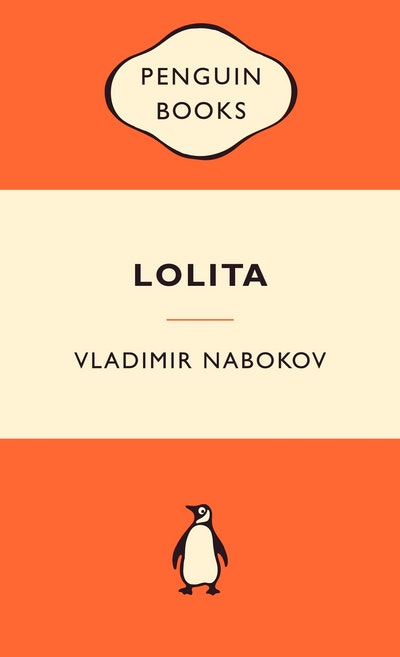
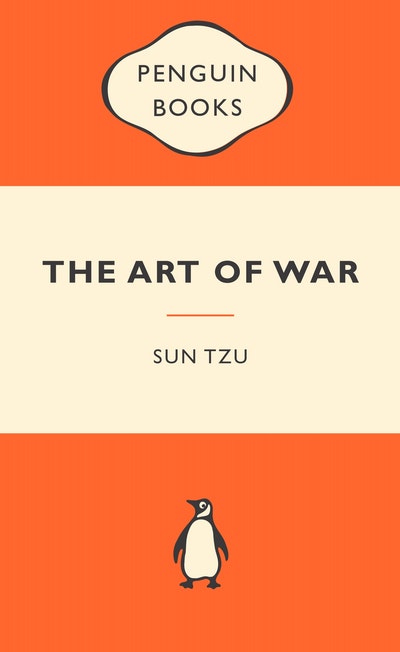
The first Penguin paperbacks appeared in the summer of 1935 and included works by Ernest Hemingway, André Maurois and Agatha Christie. They were colour coded (orange for fiction, blue for biography, green for crime) and cost just sixpence, the same price as a packet of cigarettes. The way the public thought about books changed forever – the paperback revolution had begun.
Penguin became a separate company in 1936, set up premises and within twelve months, it had sold a staggering 3 million paperbacks.
In 1937, Penguin launched the Penguin Shakespeare series and the Pelican imprint – original non-fiction books on contemporary issues – and the appearance of a book-dispensing machine at Charing Cross called the Penguincubator.
As conflict in Europe drew closer, Penguin Specials such as What Hitler Wants achieved record-breaking sales. One of the bestselling titles during the war was Aircraft Recognition, used by both civilians and the fighting forces to recognize enemy planes. Penguin also started an Armed Forces Book Club, bringing entertainment and comfort to soldiers cut off from friends and family.


Two of the company's most famous names were launched in the 1940s. Puffin was born in 1940 as a series of non-fiction picture books for children. They proved to be such a great success that Puffin started publishing fiction the following year, with Worzel Gummidge among its first titles.
In 1946, Penguin Classics were launched with E. V. Rieu's translation of The Odyssey, making classic texts available to everyone. Today this world famous series consists of more than 1,200 titles (including Penguin Modern Classics), ranging from The Epic of Gilgamesh to One Flew over the Cuckoo's Nest.
The 1960s brought a revolution in popular culture and Penguin was at the forefront. The company was charged under the Obscene Publications Act in 1960 after publishing Lady Chatterley's Lover. Penguin fought back and was acquitted, marking a turning point in British censorship laws. People formed huge queues to buy the book and Penguin sold 2 million copies in six weeks.
Firmly established, as a major force Penguin became a public company in 1961.
A new imprint was set up in 1967 under the name of Allen Lane The Penguin Press – a new venture for Penguin that allowed it publish in both hardback and paperback.
Sir Allen Lane died on 7 July 1970 and tributes flooded in from the literary world. That same year, Pearson, the international media group, bought Penguin and the company continued as a major and vital publishing force.
The 1980s brought more change and expansion for Penguin – it acquired Frederick Warne, best known for its Beatrix Potter titles, in 1983, set up the Viking imprint in 1984, and bought the Michael Joseph and Hamish Hamilton book-publishing divisions in 1985.
Like every other period in the company's history, Penguin continued to publish controversial books throughout the 1980s, including Salman Rushdie's The Satanic Verses.
Penguin Audiobooks were launched in 1993, bringing a mix of classic and contemporary titles to a listening audience and using only the finest actors to record them.
In 2000, Pearson bought Dorling Kindersley, publishers of highly visual and dynamic travel, reference and children's books, and in 2002 acquired Rough Guides, the acclaimed travel and music publishers into the Penguin Group of companies.
Penguin retained its position as a champion of free speech when it successfully defended a libel suit brought by revisionist historian David Irving in 2000 after the publication of Professor Deborah Lipstadt's Denying the Holocaust. The company also published Michael Moore's controversial Stupid White Men in 2002 after attempts in the US to ban it.
Today the company has offices in fifteen countries. In the twenty-first century the Penguin Group can cater for every stage of a reader's lifetime, with books from Dorling Kindersley, Frederick Warne, Ladybird, Penguin, Puffin and Rough Guides, making Penguin the home of reading.
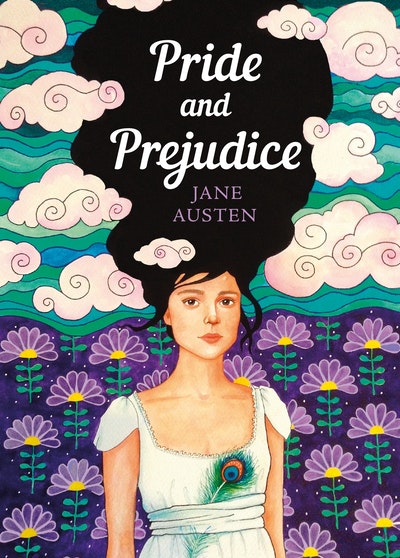
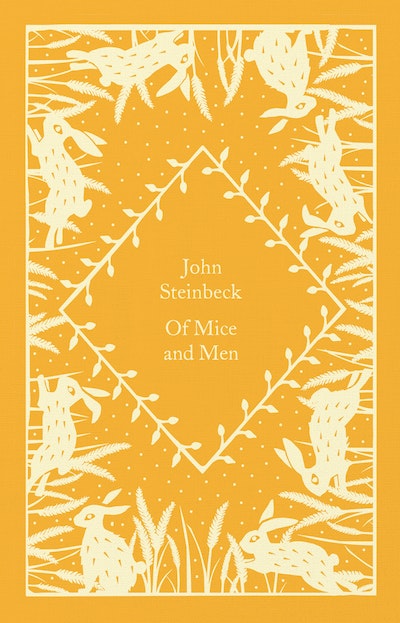
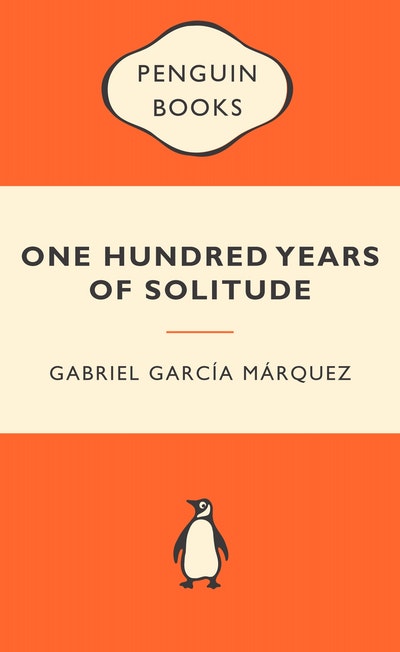
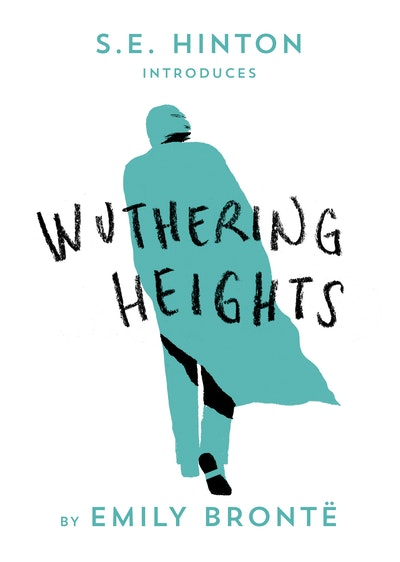
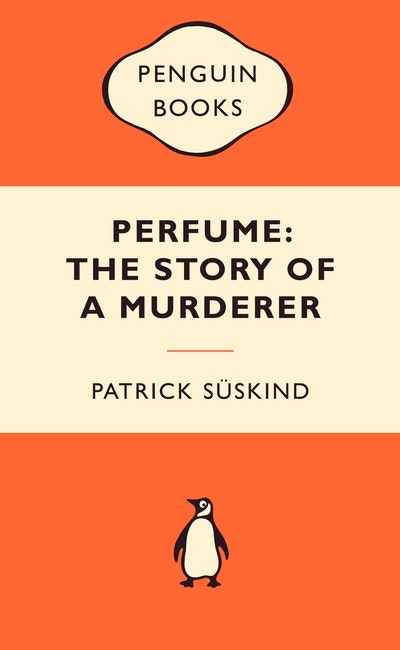
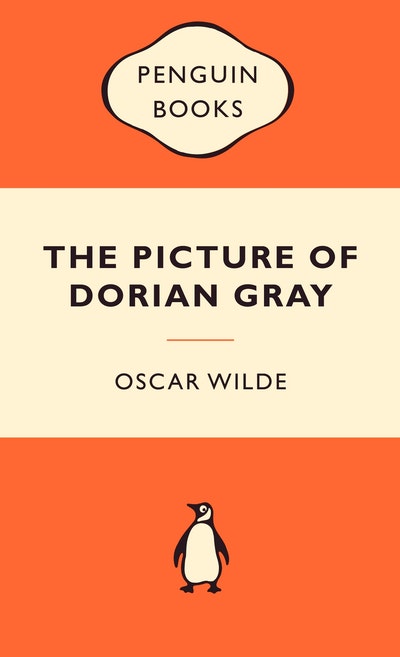
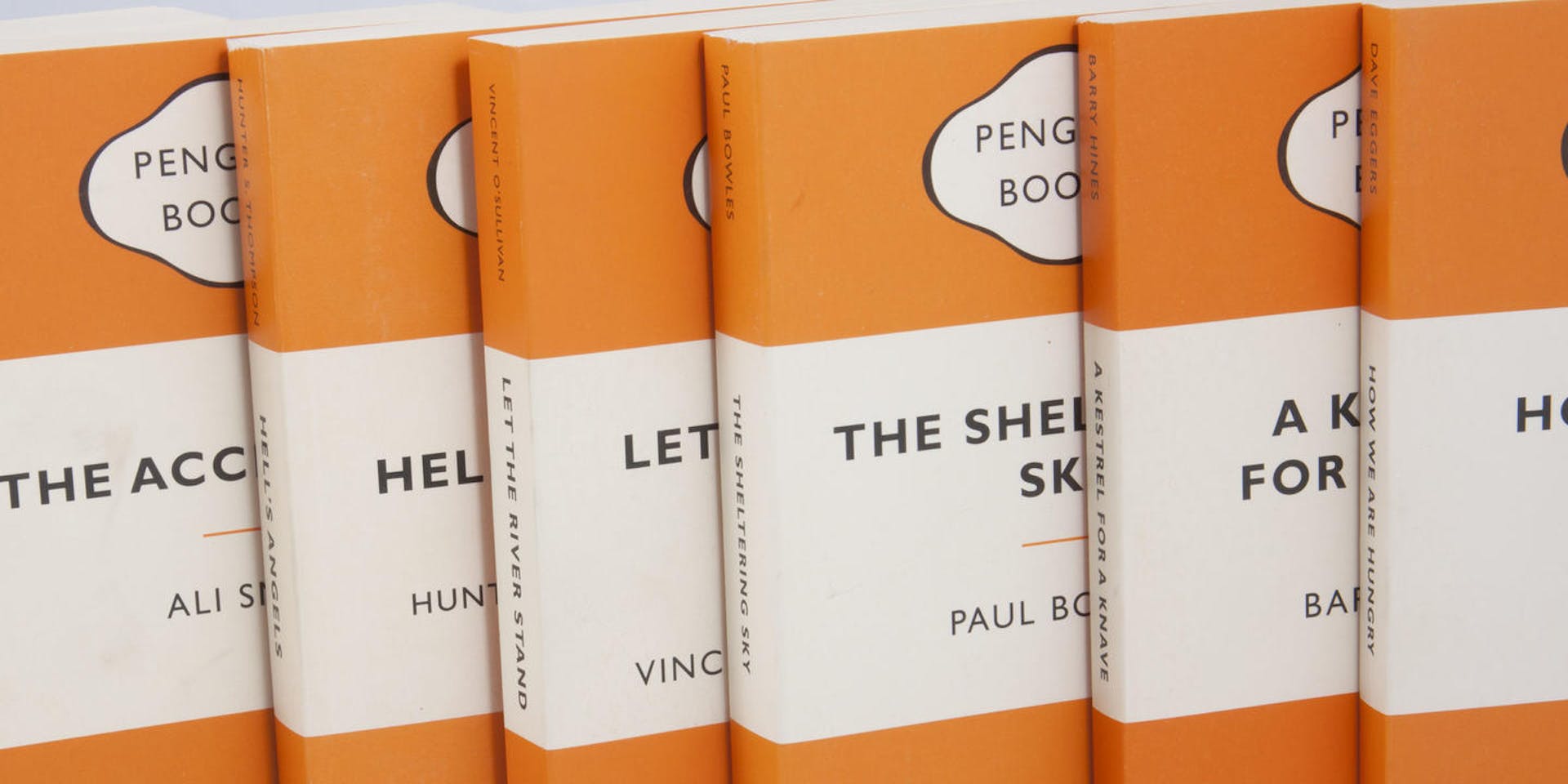
To celebrate its proud history, Penguin is publishing the Popular Penguins by authors ranging from Jane Austen to Simon Winchester. The Popular Penguins follow Allen Lane's ethos of making great writing affordable and available to everybody – now you can own a piece of the Penguin story.